
The Hidden Link Between Trauma and Self-Worth
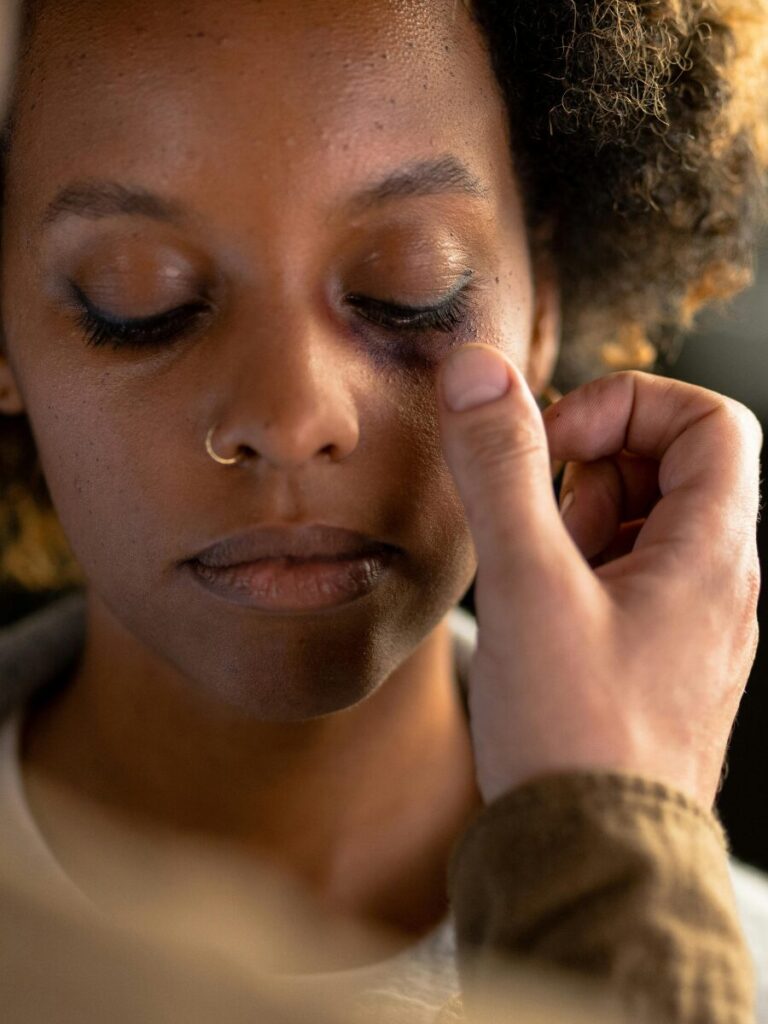
Confidence isn’t just about how you carry yourself on the outside. It’s deeply connected to what you believe about yourself on the inside. When you’ve gone through something painful and haven’t had the chance to fully process or heal from it, those experiences can shape the way you see yourself.
And over time, this can quietly steal your confidence, keeping you stuck in patterns that don’t serve you. In this article, we gently unpack how trauma and harmful core beliefs can dim your self-worth and how you can begin the journey back to yourself.
Trauma Can Change Your Inner Voice
→ How Early Life Experiences Shape Core Beliefs Supports how trauma reshapes inner dialogue and identity
When you go through something painful or traumatic, your brain remembers not just as a memory, but as a warning. Over time, this can change how you talk to yourself.
You might start thinking things like:
“I’m not good enough”
“I can’t trust people”
“I always mess things up”
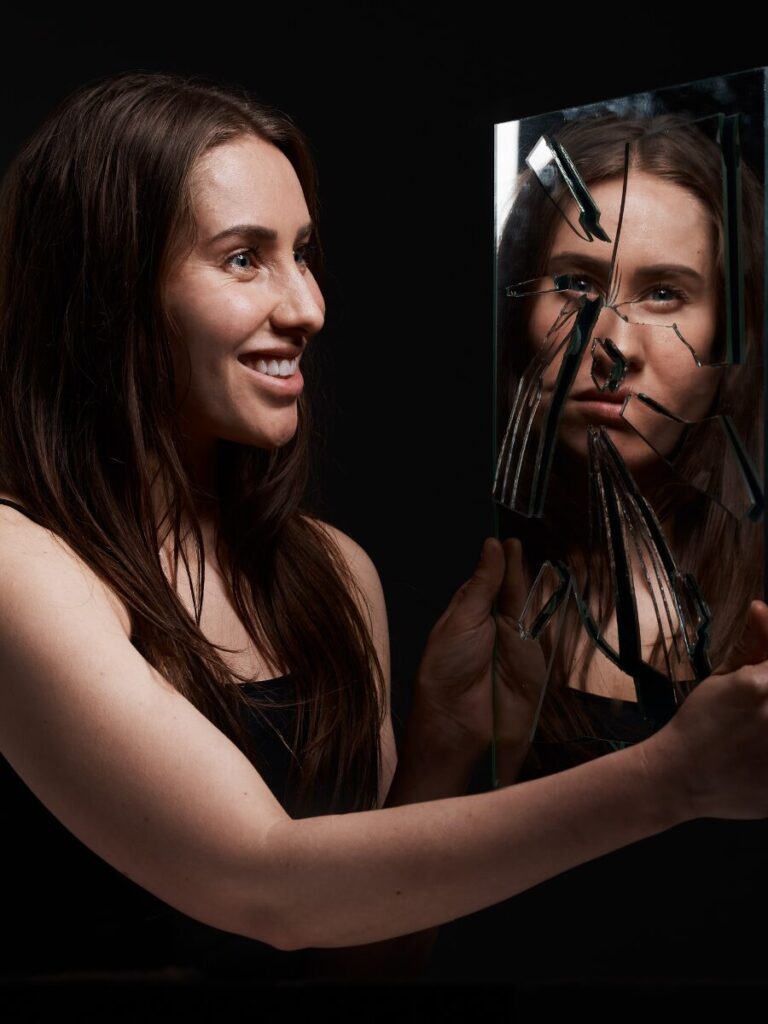
These thoughts aren’t facts. They’re core beliefs shaped by what happened to you. But when they go unhealed, they start to feel like the truth. And that’s where confidence takes a big hit.
A recent article on how early life experiences shape our core beliefs explains how childhood trauma and emotionally painful experiences affect the way we see ourselves and others.

Why Confidence Struggles When You Don’t Heal:
Supported by: Why Self-Esteem Matters After Trauma
Confidence isn’t about being perfect. It’s about trusting yourself.
But when your inner voice is filled with doubt and fear, it becomes harder to:
Speak up
Take chances
Try new things
Leave bad situations
Self-esteem can act like a shield after trauma, but only if it’s nurtured.
How Trauma Keeps You Stuck:
Supported by: Therapist’s Blog on Trauma & Beliefs
Unhealed trauma can make you:
Overthink everything
Fear rejection
Settle for less
Stay in your comfort zone
You stop dreaming big. You stop moving. And you don’t even realise that trauma is behind it.
One trauma therapist explains, “Survivors often adopt beliefs like ‘I’m broken’ or ‘I’m too much’ that stop them from going after what they want.”
What You Can Do to Start Healing:
Supported by:
Cognitive Processing Therapy – Verywell Health
How to Rebuild After Trauma – Therapy Central
Healing takes time, but it’s possible. Here are a few tools that work:
✅ Challenge Your Thoughts
Not every thought is true. Ask yourself: “Is this thought helpful? Where did it come from?”
💬 Practice Self-Compassion
Speak to yourself like someone you love. Replace harsh thoughts with gentle ones.
🧠 Try Therapy
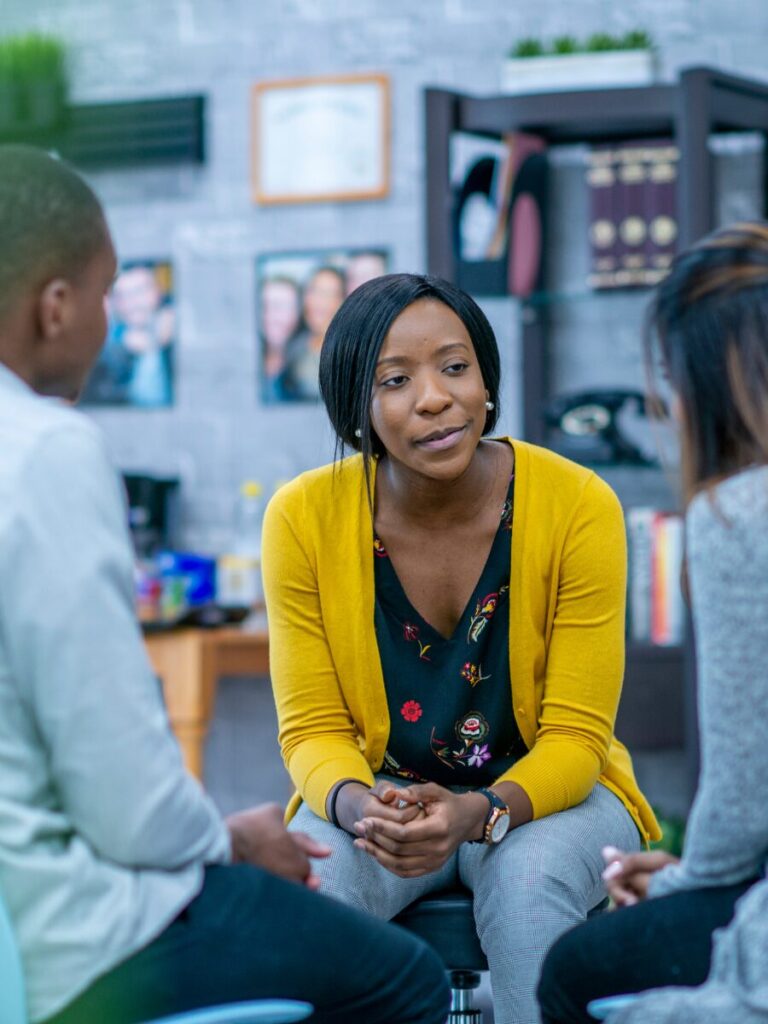
Therapies like CPT, CBT, and EMDR are proven to help with trauma recovery.
Read more
🌱 Rebuild Self-Worth
Celebrate small wins. Keep promises to yourself. Say no when you need to. Confidence grows in the small moments.
You’re Not Alone, and You’re Not Broken:
Many of us carry pain we didn’t choose. But we get to choose what we do with it. Here at Radiate Royalty, we believe healing isn’t about fixing yourself, it’s about remembering who you were before the world made you forget.
Let this be your reminder: your confidence isn’t lost, it’s just waiting for you to come home to it.
for Women
Mini Set
with Silk Lining

Vest Set

Skirt Suit

Detail Skirt Set

Suit Set
Blazer

Suit Set

Set

Aphiwe T. Mvinjelwa is a seasoned marketing professional with over 8 years of experience across the digital landscape. She is the founder of Torch Legacy, a marketing agency dedicated to helping brands grow, connect, and leave a lasting impact. Through her writing on Radiate Royalty, Aphiwe explores themes of healing, confidence, and womanhood, blending her lived experience with insight to empower readers to rise into their most radiant selves.